차기 총선일은 오는 2028년 4월 12일. 이 선거에서 현재의 더불어민주당이 폭삭 망할 것이라는 전망(시뮬레이션 결과)이 나오고 있다. 정치학자들이나 여론조사 기관들이 보수당인 국민의힘의 약진을 점치고 있다. 2028년 총선에서 민주당이 크게 패배하리라는 예상이 나오고 있는 것. 2028년 제23대 국회의원 총선거를 앞두고 더불어민주당의 패배 가능성을 경고하는 목소리와 시뮬레이션 결과가 나오는 배경에는 당내 내분, 핵심 지역구의 지지율 저하, 사법·입법 리더십에 대한 안팎의 비판이 자리 잡고 있다.
|
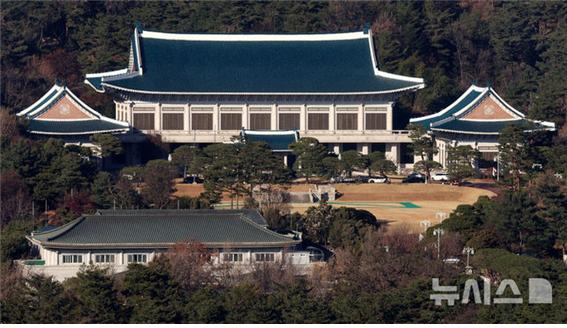
▲ 청와대 건물. 차기 권력정당이 어느 정당일까? ©뉴시스
|
주요 원인으로는 민주당의 당내 분열 및 우군과의 갈등이다. 친명계(친 이재명 계) vs 친청계(친 정청래 계) 갈등이 주요 변수라는 주장이다. 정청래 의원을 필두로 한 친청계 지도부와 당내 주류 간의 역학 관계 속에서 '신천지 선거 개입 의혹' 실체 규명 요구나 리더십 압박 등 내부 균열이 가시화되고 있는 상황. 조국혁신당의 경고도 나왔다. 우군(友軍)이었던 조국혁신당의 조국 혁신정책연구원장은 민주당이 권력 투쟁에 치중해 사법개혁 적기를 놓쳤다고 강하게 비판했다. 그는 오세훈 서울시장의 2심 무죄 판결 이후 민주당 지도부의 대응을 지적했다. "이런 지도부가 2028년 총선 승리를 이끌 수 있겠느냐"고 직격탄을 날렸다.
이에 따라, 민주당의 분당 및 각자도생 가능성도 엿보인다. 정치권 일각에서는 갈등이 조기에 봉합되지 않을 경우 차기 총선을 앞두고 야권이 쪼개지는 분당 사태로 이어질 수 있다고 관측한다. 박지원 의원은 "내분이 가장 큰 적"이라며 뭉칠 것을 촉구하기도 했다.
여론조사 시뮬레이션 및 지형 변화를 보면, 수도권·충청권의 위기설이 예측됐다. 최근 여론조사 기관들의 데이터를 결합한 조건부 가상 의석 시뮬레이션에 따르면, 서울 48개 지역구에서 국민의힘이 36석, 민주당이 12석을 차지하는 판도 변화 시나리오가 제기됐다. 22대 총선과 비교해 수도권과 충청권에서 민주당의 우위가 크게 약화될 수 있다는 지적이다. 이미 '호남 고립' 정당으로의 전락도 경고됐다. 지지 기반인 40·50대 외에 20·30대 및 수도권에서 민심 이반이 그대로 투표로 이어진다면 민주당의 세력이 호남으로만 수축할 수 있다는 경고성 분석도 존재한다. 비호감의 증가도 눈에 뜨인다. 리서치뷰의 조사에 따르면 '절대 찍고 싶지 않은 정당'으로 민주당을 꼽은 응답이 49.1%를 기록하며 반대 세력과의 격차가 오차범위 밖으로 벌어지기도 했다.
그런가하면, 대조적인 지표(정부 견제론 우세)도 존재한다. 민주당의 위기론과 별개로, 최근 한국갤럽 등 정기 여론조사에서는 "현 정부를 견제하기 위해 야당 후보가 많이 당선돼야 한다(정부 견제론)"는 응답이 47%로, 정부 지원론(34%)을 오차범위 밖에서 여전히 크게 앞서고 있다. 따라서 민주당 내부의 실책과 계파 갈등이 이어지면 총선 승리를 장담할 수 없다는 '경고음'이 당 안팎에서 커지고 있는 상황이나, 실제 선거 결과는 향후 정계 개편과 정당 지지율 변화에 따라 달라질 수 있다.
인터넷 신문인 폴리뉴스는 “2028년 총선 여론조사 단순환산 땐 민주당 125석…세제곱 적용 땐 100석 붕괴" 제목의 기사에서 ”김능구 폴리뉴스 대표는 중도·보수층의 이탈과 기존 지지층의 분열을 함께 봐야 한다고 말했다. 집권 초기 유입된 지지층이 먼저 이탈하고, 이후 핵심 지지층 내부에서도 균열이 발생하는 두 단계의 하락이 나타났다는 분석이다. 그는 총선 구도에 관한 조사 응답을 2028년 총선의 양당 의석으로 환산한 시뮬레이션 결과를 제시했다. 단순환산 결과는 민주당 125~126석, 국민의힘 174~175석이었다. 득표 차이가 의석 차이에서 확대되는 현상을 설명하는 '세제곱 법칙'을 적용하면 민주당이 100석에 못 미칠 수 있다고 주장했다.“고, 보도했다. 이어 ”한국갤럽과 리서치뷰의 총선 프레임 조사 결과를 활용한 2028년 총선 의석수 시뮬레이션 결과. 단순환산에서는 민주당 125~126석, 국민의힘 174~175석으로 나타났다. 세제곱식에서는 민주당 94~95석, 국민의힘 205~206석으로 계산됐다. 민주당은 수도권과 충청에서 대규모 의석을 잃고, 세제곱식에서는 전체 의석수가 100석에도 미달한다. 표의 수치는 민주당과 국민의힘 순이며, 제3정당과 무소속은 반영하지 않았다.“고 덧붙였다. 민주당에 불안을 안기는, 미래선거의 판세전망이다.
한설 예비역 장군(육군소장)은 지난 10월25일치 페이스북에 게재한 “영호남 화해를 위한 필요조건, 호남 정치의 복원, 객에서 벗어나 주인되기” 제목의 글에서 “이재명 정권은 사상 최대의 경상수지 흑자에도 불구하고 역사상 최저의 지지율을 기록하고 있다. 내가 저자거리에서 느끼는 이재명에 대한 지지율과 언론에서 발표하는 지지율은 너무나 많은 차이가 있다. 그것도 엄청난 차이다. 지금 대중은 최악의 경제상황에 직면하고 있다고 느끼고 있으며, 이런 위기적 상황이 앞으로 점점 더 심해질 것이라고 예상하고 있었다.”라고 분석하면서 “더불어민주당은 불임정당이다. 다음 대선에서 더불어민주당은 대통령을 만들어 내지 못한다. 지금 현재의 중진급 의원 중에서 대통령정도의 무게감을 지닌 자는 아무도 없다. 그것은 그들이 그런 삶을 살아왔기 때문이다. 대통령만 만들어내지 못하는 것이 아니라 다음 총선에서 더불어민주당은 개헌선 밑으로 떨어질 가능성이 농후하다.”고 분석했다. 민주당에 대한, 어두운 예측이다.
|
▲필자/문일석. 시인. 신문사(본지) 발행인. AI협업-칼럼니스트(본 칼럼 가운데 일부는 생성형 AI 제미나이(Gemini)와의 대화를 바탕으로 재구성된 내용이 담겨있음을 밝힌다.). '비록 중앙정보부(전3권)'의 저자. ©브레이크뉴스
|
이재명 대통령은 선거에 최 강자(最强者)이다. 모든 선거에서 승리, 대통령 자리까지 올랐다. 이런저런 차기 총선에서의 더불어민주당 대패(大敗) 예상을 물리치고, 이재명 대통령이 승리할지? 아니면. 그 과정에서 이재명 대통령이 더불어민주당을 탈당할지? 초미(焦眉)의 관심사이다. moonilsuk@naver.com
*필자/문일석. 시인. 신문사(본지) 발행인. AI협업-칼럼니스트(본 칼럼 가운데 일부는 생성형 AI 제미나이(Gemini)와의 대화를 바탕으로 재구성된 내용이 담겨있음을 밝힌다.). '비록 중앙정보부(전3권)'의 저자.
*아래는 위 기사를 '구글 번역'으로 번역한 영문 기사의 [전문]입니다. '구글번역'은 이해도 높이기를 위해 노력하고 있습니다. 영문 번역에 오류가 있을 수 있음을 전제로 합니다.<*The following is [the full text] of the English article translated by 'Google Translate'. 'Google Translate' is working hard to improve understanding. It is assumed that there may be errors in the English translation.>
Forecast for the Next General Election: A "Crushing Defeat" for the Democratic Party and the Potential Departure of Lee Jae-myung — A Matter of Intense Interest
- Moon Il-suk, Publisher
The next general election is scheduled for April 12, 2028. Simulations and forecasts suggest that the current Democratic Party of Korea (DPK) could face a catastrophic collapse. Political scientists and polling organizations are predicting a major surge for the conservative People Power Party (PPP), with expectations that the Democratic Party will suffer a resounding defeat. The warnings and simulation results pointing to a potential loss for the Democratic Party in the 2028 general election—for the 23rd National Assembly—stem from internal infighting, declining support in key constituencies, and mounting criticism from both within and outside the party regarding its judicial and legislative leadership.
A primary factor is the internal fragmentation of the Democratic Party and conflicts with its political allies—arguably its greatest crisis. It is argued that the friction between the "pro-Lee Jae-myung" faction and the "pro-Jung Chung-rae" faction is a critical variable. Internal cracks are becoming increasingly visible, characterized by demands to uncover the truth behind allegations of "Shincheonji interference in the election" and pressure on the party’s leadership—dynamics playing out between the pro-Jung Chung-rae faction (led by Representative Jung Chung-rae) and the party’s mainstream establishment.
Furthermore, a warning has emerged from the Rebuilding Korea Party (led by Cho Kuk). Cho Kuk, who heads the party’s policy research institute—and who was previously an ally—sharply criticized the Democratic Party, arguing that it squandered the prime opportunity for judicial reform by focusing instead on internal power struggles. He criticized the Democratic Party leadership’s response following the acquittal of Seoul Mayor Oh Se-hoon in his second trial, firing a direct shot by asking, "Can a leadership like this possibly lead the party to victory in the 2028 general election?"
Consequently, there is speculation regarding the potential for the Democratic Party to split or for its members to go their separate ways. Some in political circles suggest that if the internal conflict is not resolved early, it could lead to a fracture within the opposition bloc ahead of the next general election. Representative Park Jie-won urged unity, stating, "Internal strife is our greatest enemy."
Simulations based on public opinion polls and shifting political landscapes point to a looming crisis for the party in the Seoul metropolitan area and the Chungcheong region. A hypothetical seat-distribution simulation—aggregating data from recent polling organizations—suggests a scenario where the People Power Party could secure 36 out of 48 districts in Seoul, leaving the Democratic Party with only 12. This indicates that the Democratic Party’s current advantage in the Seoul metropolitan and Chungcheong regions could weaken significantly compared to the 22nd general election.
There are also warnings that the party could be reduced to a regional force confined to the Honam (Jeolla) region. Analysts caution that if the growing alienation among voters in their 20s and 30s—as well as those in the Seoul metropolitan area—translates into actual votes, the Democratic Party’s influence could shrink until it is limited solely to its stronghold in Honam. Furthermore, the party’s rising unpopularity is notable; a survey by Research View found that 49.1% of respondents identified the Democratic Party as the "party they would never vote for," a figure that places it well beyond the margin of error from its political rivals. On the other hand, there are contrasting indicators—specifically, a prevailing sentiment in favor of keeping the current administration in check. Despite the narrative surrounding a "crisis" within the Democratic Party, recent regular opinion polls—such as those conducted by Gallup Korea—show that 47% of respondents believe "more opposition candidates should be elected to keep the current administration in check," a figure that significantly outpaces the 34% who support the administration—a gap well beyond the margin of error. Consequently, both inside and outside the party, there is a growing sense of alarm: if the Democratic Party continues to commit blunders or remains plagued by factional infighting, its victory in the general election is far from guaranteed. However, the actual election outcome could still shift depending on future political realignments and changes in party approval ratings.
The online news outlet *PolyNews* reported on this, with the headline: "Projections for the 2028 General Election: 125 Seats for the Democratic Party Based on Simple Conversion—Falling Below 100 Seats When the 'Cube Law' Is Applied." The report quotes Kim Neung-gu, CEO of *PolyNews*, as saying that one must consider both the defection of moderate and conservative voters and the fragmentation of the party’s existing base. He suggests a two-stage decline: first, the departure of supporters who joined early in the administration’s term, followed by cracks emerging within the core base itself. He presented a simulation—based on survey responses regarding the general election landscape—that translates these figures into projected seat counts for the two major parties in the 2028 general election. A simple conversion suggests 125–126 seats for the Democratic Party and 174–175 seats for the People Power Party. Kim further argued that if one applies the "cube law"—a model explaining how a small difference in the share of votes can translate into a much larger disparity in the number of seats—the Democratic Party could end up with fewer than 100 seats. It further added, "A simulation of the 2028 general election seat distribution—based on polling data regarding the election framework from Gallup Korea and Research View—yields the following results: A simple conversion suggests 125–126 seats for the Democratic Party and 174–175 seats for the People Power Party. A 'cubic' model calculation projects 94–95 seats for the Democratic Party and 205–206 seats for the People Power Party. Under the latter model, the Democratic Party would lose a significant number of seats in the Seoul metropolitan area and the Chungcheong region, falling short of even 100 seats in total. The figures presented correspond to the Democratic Party and the People Power Party, respectively; third parties and independent candidates are not included." This outlook is a source of concern for the Democratic Party. In a Facebook post dated October 25, titled "Necessary Conditions for Reconciliation Between the Yeongnam and Honam Regions: Restoring Honam Politics and Transitioning from 'Guest' to 'Master,'" retired Major General Han Seol analyzed the current political landscape: "Despite the largest current account surplus in history, the Lee Jae-myung administration is recording the lowest approval ratings ever. There is a vast discrepancy—a truly massive gap—between the level of support for Lee Jae-myung that I sense among the general public and the figures reported by the media. People today feel they are facing the worst possible economic conditions, and they anticipate that this crisis will only continue to deepen." He further assessed, "The Democratic Party of Korea is a 'sterile' party; it will fail to produce a president in the next election. None of its current senior lawmakers possess the gravitas required for the presidency—a reflection of the lives they have led. It is not just that they will fail to secure the presidency; there is a high probability that in the next general election, the Democratic Party will fall well below the threshold required to block constitutional amendments." It is a bleak outlook for the Democratic Party.
Lee Jae-myung is a formidable force in elections—he has emerged victorious in every race he has contested, ultimately ascending to the presidency. Will Lee Jae-myung defy the various predictions of a crushing defeat for the Democratic Party of Korea in the upcoming general election and emerge victorious—or will he end up leaving the party in the process? This is a matter of intense public interest. moonilsuk@naver.com
*Author: Moon Il-suk. Poet. Publisher of this newspaper. AI-collaborating columnist (please note that parts of this column have been reconstructed based on dialogues with the generative AI, Gemini). Author of the three-volume work *Although It Was the KCIA (Central Intelligence Agency)*.
원본 기사 보기:
브레이크뉴스