대한민국 역대 대통령들의 이성 및 사생활 문제는 시대적 배경, 권력의 성격, 그리고 개인의 행적에 따라 다양한 논란과 기록을 남겼다. 권위주의 시절의 은밀한 추문부터 민주화 이후 사법적 쟁점이 된 사건까지, 주요 사례를 남겼다. 대통령들의 감춰둔 난잡했던 이성(異性) 관계는 때때로 나라를 시끄럽게 만들었다.
권위주의 시대, 역대 대통령들의 사생활과 관련, 권력형 논란이 이어졌다. 박정희-전두환 전 대통령 등 군부 쿠데타 출신 권력자들의 경우, 국가의 최고 정보기관들이 대통령의 사생활을 관리했었다. 이 시기는 강력한 언론 통제로 인해 재임 기간에는 철저히 비밀에 부쳐졌다.
|
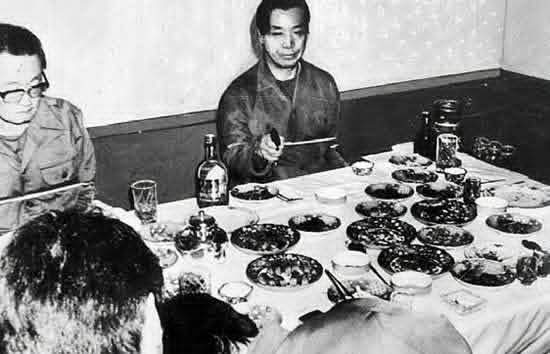
▲10.26 떄 박정희 전 대통령을 살해했던 김재규 당시 중앙정보부장(오른쪽), ©자료
|
박정희 전 대통령은 경우, 역대 대통령 중 사생활과 관련해 가장 많은 기록과 증언을 남긴 인물이다. 10·26 사건 이후 재판 과정에서 김재규 전 중앙정보부장과 박선호 의전과장 등의 진술을 통해 궁정동 안가를 무대로 한 은밀한 술자리와 여성 연예인 동원 등 구체적인 여성편력이 폭로됐었다. 과거에는 권력자의 일탈이나 '풍류' 정도로 치부되기도 했으나, 현대에 이르러서는 공권력과 위력에 의한 명백한 권력 오남용이자 성 착취라는 비판적 평가가 주를 이룬다.
전두환 전 대통령은 경우, 재임 시절 특정 톱스타급 여성 연예인들과의 염문설이 사회적 루머로 무성했었다. 소문의 당사자로 지목된 연예인들이 갑작스럽게 방송에서 퇴출당하거나 강제로 유학을 떠나는 등 불이익을 겪으면서, 독재 권력이 개인의 사생활과 커리어를 통제한 대표적인 권력형 횡포의 사례로 회자됐다.
김영삼-김대중 전 대통령의 경우, 친자 확인 소송 및 혼외자 논란이 있었다. 문민정부 출범 이후 언론의 자유가 신장되고 사법 체계가 작동하면서, 전직 대통령들의 숨겨진 이성 문제가 법적 공방으로 표면화됐다.
김영삼 전 대통령은 경우, 퇴임 이후인 2000년대에 친자 확인 소송에 휘말렸었다. 한 여성이 김 전 대통령을 상대로 혼외자임을 주장하며 인지청구 소송을 제기했다. 법원은 DNA 유전자 검사 명령을 거부한 김 전 대통령 측에 패소 판결을 내리며, 혼외 자녀의 존재를 사실상 인정했다.
김대중 전 대통령의 경우, 대선 후보 시절부터 혼외자 의혹이 정치적 공방의 소재로 활용됐다. 퇴임 후인 2005년, 한 방송사의 시사 프로그램을 통해 친딸이라고 주장하는 인물의 인터뷰와 국가정보원(당시 안기부)이 과거 이 문제를 은폐·관리하기 위해 특수 활동을 벌였다는 사실이 드러나며 큰 파장을 일으켰었다.
한국 헌정사상 최초의 여성 대통령이었던 박근혜 전 대통령의 경우, 남성 대통령들과는 다른 양상의 사생활 논란이 발생했었다. 박근혜 전 대통령은 재임 기간 중 세월호 참사 당일의 '7시간 행적'을 둘러싸고 온갖 악성 루머와 남녀 관계에 대한 추측성 보도가 쏟아졌었다. 무엇이 사실인지? 그 진실이 노출되진 않았다. 국정농단 사건 당시에는 최태민·최순실 일가와의 종교적·재정적 밀착 관계가 도마 위에 올랐다. 다만 이 과정에서 남성 정치인에게는 적용되지 않던 여성 비하적 프레임이나 선정적인 사생활 들추기식 비판이 횡행, 젠더 편견에 기반한 과도한 공격이었다는 지적과 비판이 제기됐었다.
국가 최고 권력자들의 이성문제는 시대에 따른 인식의 변화가 뒤따랐다. 과거 권위주의 시절에는 최고 권력자의 성적 일탈을 '영웅의 호색'이나 가부장적 관념 속에서 묵인하는 경향이 있었다. 그러나 사회 전반의 인권 의식과 젠더 감수성이 향상되면서, 이는 명백한 권력형 갑질이자 엄중한 도덕적 결함으로 인식되고 있다.
국가 최고 권력자들의 이성문제는 사생활 보호와 언론의 알 권리가 충돌해왔다. 대통령 역시 인간이기에 사생활이 존재한다. 하지만, 국가의 예산과 공적 기구(중앙정보부, 국정원 등)가 사적인 이성 관계를 관리하거나 은폐하는 데 동원되었다는 점에서 한국 대통령들의 이성 문제는 단순한 개인사를 넘어 '공 권력의 사유화'라는 헌정사적 오점으로 다루어 졌다.
특히 박정희 전 대통령의 복잡했던 이성접촉은 비난의 대상이 됐다. 백창욱 목사('대구평화와통일을여는사람들'의 상임대표)는 “박정희의 여성편력”이라는 제목의 글에서 “박정희의 여성편력은 오래된 이야기다. 나도 여기저기에서 단편적으로 꽤 많이 들었다. 그런데 <서중석의 현대사이야기>를 집중적으로 읽으면서, 박정희 시대가 거의 2/3를 차지하는 분량 속에, 특히 유신이라는, 한국 현대사에서 전무후무한 통치체제를 접하면서, 박정희의 여성편력이 더욱 두드러지는 것을 느꼈다. 독재권력과 여성편력은 쌍생아라고 말할 수 있을 정도다.”라고 지적하고 “정보부로 이관된 채홍사 업무가 세간에 더욱 알려진 계기는 10.26 재판에서였다. 김재규의 의전과장인 박선호가 박정희 여성조달에 대해 증언하려 하자, 김재규가 “야, 이야기하지 마”라고 명령조로 짧게 말했다. 작은 소리로 말했지만 재판정에 있는 사람 모두가 들었다. 일심에서는 대충 지나갔지만 항소심에서는 좀 더 구체적으로 이야기가 나왔다. 그 내용은 이렇다. 박정희는 소행사, 대행사를 했다. 대행사는 한 달에 2~3회, 소행사는 한 달에 7~8회다. 대행사는 박정희와 비서실장, 경호실장, 중앙정보부장과 여성 2명이 모이는 자리다. 10월 26일 저녁 모임이 바로 대행사다. 소행사는 박정희와 여성만 만나는 은밀한 자리다. 물론 이런 내용은 극비사항이다. 극소수 직원만 안다.”고 썼다.
|
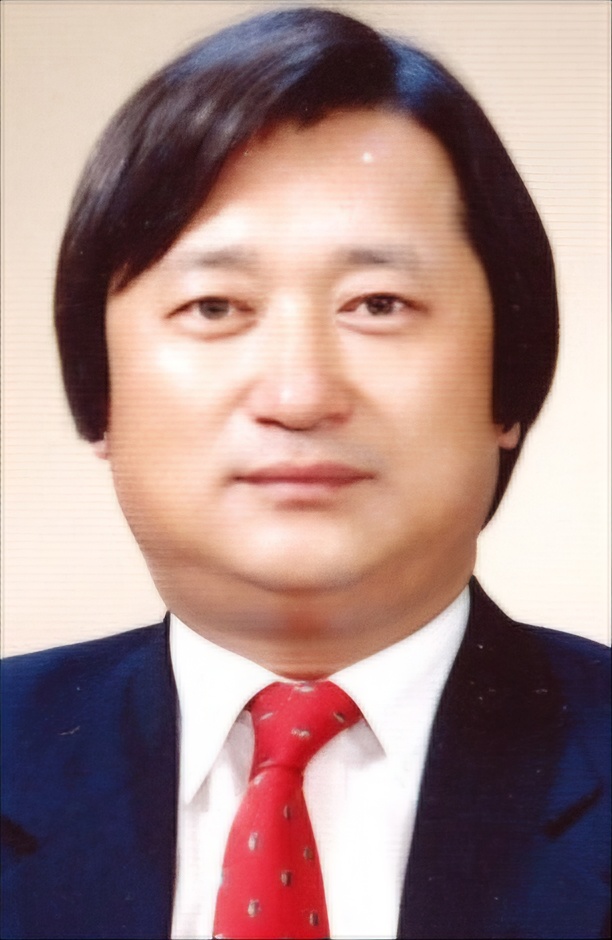
▲언론인 손충무(1940년~2010년), 전 경향신문 기자-전 인사이더 월드 발행인. ©브레이크뉴스
|
필자는 개인적으로 언론인 손충무(1940년~2010년) 전 경향신문 기자-전 인사이더 월드 발행인과 가까 왔다. 그는 두 대통령의 숨겨둔 친자(親子) 문제를 보도했다가 수감당하는 고통을 경험했었다. 고소당해 수감 상태였는데, 어느 날 전화가 왔다. 서울 강남성모 병원 영안실이라고 했다. 어떻게 출소했을까? 모친이 사망, 장례기간 동안 귀휴(歸休)기간이라고 했다. 조문을 갔다. 장례식장은 텅 비어 있었다. 현직 대통령의 고소로 그가 수감된 상태였으니, 그의 모친 장례식장에 장례를 오는 것조차 꺼려했다. 권력의 눈치를 보는 시기였다. 언론탄압이었다. 기자 신분이었던 둘이는 밤을 새워서 장례식장을 지켰다. 밤을 꼴딱 새우며 술을 마셨었다. 그날, 그렇게, 장례식장을 지켰다. 후일(後日), 결국 그의 보도가 옳았다. 묻어 두었던 국가 최고 권력자들의 사생활, 세월이 지나면서 사실로 밝혀졌다. 손충무 기자, 그는 무죄였다. 투옥 생활을 반복했던 손충무 언론인은 미국에서 사망했다. 어두운 시절의 올곧은 언론인이었다. moonilsuk@naver.com
*필자/문일석. 시인. 신문사(본지) 발행인. AI협업-칼럼니스트(본 칼럼 가운데 일부는 생성형 AI 제미나이(Gemini)와의 대화를 바탕으로 재구성된 내용이 담겨있음을 밝힌다.). '비록 중앙정보부(전3권)'의 저자.
*아래는 위 기사를 '구글 번역'으로 번역한 영문 기사의 [전문]입니다. '구글번역'은 이해도 높이기를 위해 노력하고 있습니다. 영문 번역에 오류가 있을 수 있음을 전제로 합니다.<*The following is [the full text] of the English article translated by 'Google Translate'. 'Google Translate' is working hard to improve understanding. It is assumed that there may be errors in the English translation.>
|
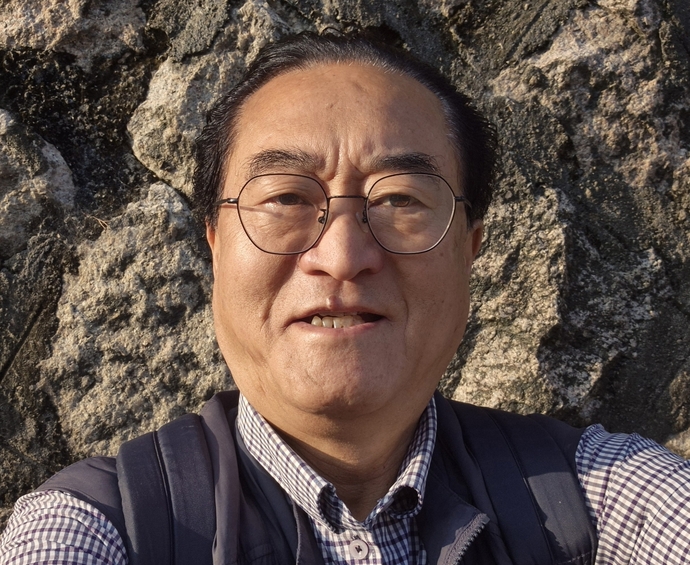
▲*필자/문일석. 시인. 신문사(본지) 발행인. AI협업-칼럼니스트(본 칼럼 가운데 일부는 생성형 AI 제미나이(Gemini)와의 대화를 바탕으로 재구성된 내용이 담겨있음을 밝힌다.). '비록 중앙정보부(전3권)'의 저자. ©브레이크뉴스
|
The Hidden, Promiscuous Romantic Entanglements of Presidents... “Why the Nation Was in Turmoil”
[An Essayistic Perspective] Journalist Son Chung-mu, Imprisoned for Exposing a President’s Secret Child
— Moon Il-suk, Publisher of this Newspaper
The romantic lives and private affairs of South Korea’s past presidents have left behind various controversies and records, shaped by the historical context, the nature of their power, and their individual conduct. These range from clandestine scandals during the era of authoritarianism to incidents that became legal issues following the nation’s democratization. At times, the hidden, promiscuous romantic entanglements of these presidents have thrown the country into turmoil.
During the authoritarian era, the private lives of various presidents became the subject of controversies linked to their abuse of power. For leaders who rose to power through military coups—such as former Presidents Park Chung-hee and Chun Doo-hwan—the nation’s top intelligence agencies were tasked with managing the president’s private life. Due to strict media control during these periods, such matters were kept under absolute secrecy while they were in office.
Former President Park Chung-hee, in particular, is the figure among all past presidents with the most extensive records and testimonies regarding his private life. Following the October 26 incident, legal proceedings—including statements from former Korean Central Intelligence Agency (KCIA) Director Kim Jae-gyu and Chief of Protocol Park Seon-ho—revealed specific details about his womanizing, including secret drinking parties held at a safe house in Gungjeong-dong, which often involved the presence of female entertainers. While such incidents were once dismissed as mere personal indiscretions or "amorous escapades" of those in power, they are now widely criticized as clear-cut cases of the abuse of public authority and sexual exploitation.
During his presidency, former President Chun Doo-hwan was the subject of widespread rumors regarding alleged affairs with prominent female celebrities. The fact that these celebrities—implicated in the rumors—were suddenly removed from broadcasts or forced to move abroad for "studies" served as a stark example of how a dictatorial regime could exert control over an individual’s private life and career.
In the cases of former Presidents Kim Young-sam and Kim Dae-jung, controversies arose concerning paternity suits and the existence of children born out of wedlock. As freedom of the press expanded and the judicial system began to function more effectively following the transition to civilian rule, these previously hidden personal affairs of former presidents surfaced through legal battles.
Former President Kim Young-sam became embroiled in a paternity suit in the 2000s, after leaving office. A woman filed a lawsuit claiming to be his child born out of wedlock; when the former president refused to comply with a court-ordered DNA test, the court ruled against him, effectively acknowledging the existence of the child.
As for former President Kim Dae-jung, allegations regarding a child born out of wedlock were used as political ammunition as early as his time as a presidential candidate. In 2005, after he had left office, a television current affairs program featured an interview with a woman claiming to be his daughter. The broadcast also revealed that the National Intelligence Service (then known as the Agency for National Security Planning) had previously engaged in covert operations to cover up and manage the situation, causing a major public stir. In the case of former President Park Geun-hye—the first female president in South Korean constitutional history—controversies surrounding her private life took a different form than those involving her male predecessors. During her term, the "seven-hour gap" in her whereabouts on the day of the Sewol ferry disaster fueled a barrage of malicious rumors and speculative reports concerning her personal relationships. The full truth of what actually transpired remains unrevealed. Later, during the scandal involving the abuse of state power, her close religious and financial ties to the family of Choi Tae-min and Choi Soon-sil came under intense scrutiny. However, this discourse was frequently marked by misogynistic framing and sensationalist intrusions into her private life—tactics rarely, if ever, applied to male politicians—leading to criticism that these attacks were excessive and rooted in gender bias.
Societal perceptions regarding the romantic or sexual affairs of top national leaders have evolved over time. In the past, during eras of authoritarian rule, such indiscretions by those in power were often overlooked—either dismissed as the "amorous nature of a hero" or excused through a patriarchal lens. Today, however, with a heightened awareness of human rights and greater gender sensitivity, such behavior is recognized as a clear form of abuse of power—an act of "power-based bullying"—and a grave moral failing.
The romantic or sexual affairs of top national leaders have often created a conflict between the right to privacy and the public’s right to know. While a president is, of course, a human being entitled to a private life, the situation in South Korea has been complicated by the fact that state budgets and public institutions—such as the Korea Central Intelligence Agency or the National Intelligence Service—were sometimes mobilized to manage or conceal these private relationships. Consequently, such instances have been viewed not merely as personal matters, but as a "privatization of public power"—a dark stain on the nation’s constitutional history. In particular, former President Park Chung-hee’s complex and frequent liaisons with women became a subject of criticism. In an article titled “Park Chung-hee’s Womanizing,” Pastor Baek Chang-wook (standing representative of ‘People for Peace and Unification in Daegu’) noted: “Park Chung-hee’s womanizing is an old story; I had heard many fragmented accounts of it from various sources. However, while reading *Seo Jung-seok’s Stories of Modern History*—a work in which the Park Chung-hee era accounts for nearly two-thirds of the content—I found his womanizing to be even more striking, especially when viewed against the backdrop of the ‘Yushin’ system, an unprecedented form of governance in modern Korean history. One could almost say that dictatorial power and a penchant for womanizing are twins.” He further wrote: “The practice of procuring women—a task eventually transferred to the Korean Central Intelligence Agency (KCIA)—gained wider public attention during the trials following the October 26 incident. When Park Seon-ho, the chief of protocol for Kim Jae-gyu, attempted to testify about the procurement of women for Park Chung-hee, Kim Jae-gyu interjected with a sharp, commanding, ‘Hey, don’t talk about that.’ Though spoken in a low voice, it was heard by everyone in the courtroom. While the matter was only briefly touched upon during the first trial, more specific details emerged during the appellate proceedings. According to these accounts, Park Chung-hee held what were termed ‘small-scale’ and ‘large-scale’ gatherings. The ‘large-scale’ gatherings took place two to three times a month, involving Park Chung-hee, his chief of staff, the head of the Presidential Security Service, the director of the KCIA, and two women. The gathering on the evening of October 26 was one such ‘large-scale’ event. The ‘small-scale’ gatherings were private, intimate encounters between Park Chung-hee and a woman. Naturally, such matters were kept strictly confidential, known only to a very select few staff members.” I was personally close to the journalist Son Chung-mu (1940–2010), a former reporter for the *Kyunghyang Shinmun* and publisher of *Insider World*. He endured the hardship of imprisonment after reporting on the existence of hidden children fathered by two different presidents. While he was incarcerated following a lawsuit, I received a phone call—it was from the mortuary at St. Mary’s Hospital in Gangnam, Seoul. How had he managed to get out? He had been granted a temporary leave of absence to attend his mother’s funeral. I went to pay my respects, but the funeral hall was completely empty. Because he was imprisoned due to a lawsuit filed by a sitting president, people were afraid to even attend his mother’s funeral; it was a time when everyone was wary of those in power. It was an act of press suppression. As fellow journalists, the two of us kept watch over the funeral hall throughout the night, staying awake until dawn while drinking. That is how we spent that night, guarding the funeral hall. As it turned out, his reporting was correct. The private lives of the nation’s highest authorities—matters that had been buried—eventually came to light as facts over time. Son Chung-mu was innocent. Having faced repeated imprisonment, he ultimately passed away in the United States. He was a man of integrity—a true journalist during a dark era. moonilsuk@naver.com
*Author: Moon Il-suk. Poet, publisher of this newspaper, and columnist. (Please note that portions of this column were reconstructed based on dialogues with the generative AI, Gemini.) Author of the three-volume work *Although It Was the KCIA (Korean Central Intelligence Agency)*.
원본 기사 보기:
브레이크뉴스