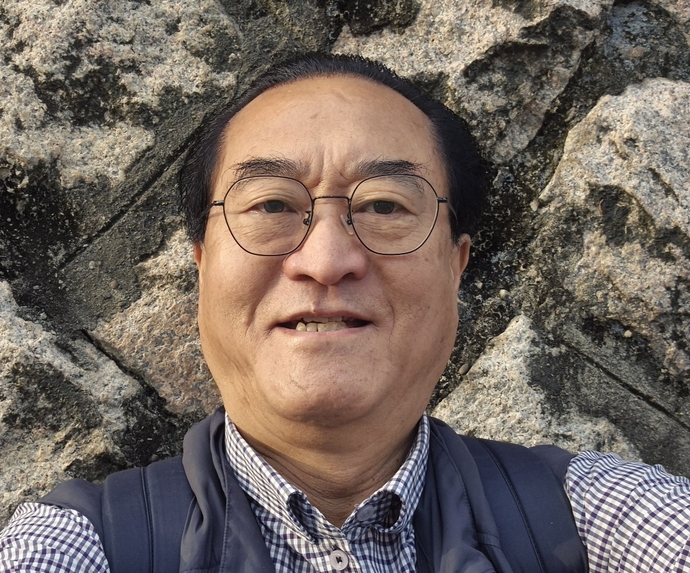
필자(문일석 브레이크뉴스 발행인)는 차기 총선(2028년 4월) 대비 ‘원내 교섭단체 규모’의 신당 창당 관련 가상 시나리오를 정치권에 상정(上程)하려 한다.
장성민 전 국회의원은 최근에, 이미 신당 창당설(創黨說)을 제기했다.
이에 반(反)해, 필자가 상정한 신당 창당설로는 정청래-유시민 등 민주당 구주류가 떨어져 나와 창당할 수 있을 수도 있다는? 현 민주당 내 구주류 의원 20여명+조국혁신당 의원 12명 +그 외 합세 가능한 의원도 있을 것이란 상상이다. 이 글은 오직 상상이다. 이는 사실이 아니다. 이에 준거, 읽어 주길 바란다, 당부한다.
장성민 전 국회의원이 최근에 제기한 신당 창당설은 민주당 내부의 이념·노선 갈등에 따른 분당 가능성과 ‘뉴 이재명’ 체제 구축을 위한 정계 개편 시나리오를 핵심으로 하고 있다. 장 전 의원은 자신의 유튜브 채널 및 정치 분석을 통해 민주당 내 친명계(친 이재명 계)와 이른바 구주류(강성 이념 진영) 간의 보이지 않는 균열을 짚어내며 두 가지 갈래의 신당설을 제기했다. 장성민 전 의원은 현재 민주당 내부에서 대립하는 두 세력의 시각에 따라 신당설의 진원지를 양(兩) 방향으로 해석했다.
우선, 친명계 진원설(실용정당론)을 유추(類推)할 수 있다. 친명 핵심 세력 사이에서 노무현·문재인 시절의 과거 이념 노선 및 강성 이념추구 세력(일명 '문조털래유'—문재인, 조국, 김어준, 정청래, 유시민 등)과 결별해야 이재명 정권이 생존할 수 있다는 주장이다. 신당 창단은 위 논거로부터 출발한다. 이재명 중심의 실용정당으로 나아가기 위해 '뉴이재명 신당'을 창당하거나 반명 숙청 작업을 거쳐 당을 재편할 수 있다는 시나리오다.
또다른 유추(類推)는 친청·친문 구주류 진원설(선명정당론)을 상정(上程)해볼 수 있다. 정청래, 유시민 등 친노·친문 중심의 구주류 진영에서도 신당 창당설이 흘러나온데 착안 한다. 이재명 대표 중심의 '당 재건축' 방식이 기존 민주개혁진영의 정상 세포를 공격한다는 위기감 속에서, 조국혁신당과의 통합 및 연대를 거쳐 더욱 선명한 이념 정당으로 독자 노선을 걷겠다는 구상인 셈이다.
필자는 이런 두 가지 창당설 중 후자 내용을 기본으로, 신당 창당 가상 시나리오를 창안해보려 한다. 더불어민주당 구주류 탈당 및 조국혁신당과의 통합으로의 신당 창당 시나리오인 것. 정청래·유시민 등 민주당 내 구주류 의원들이 이탈해 조국혁신당과 손을 잡는 가상 시나리오를 전개할 경우, 가치관과 노선의 결이 유사하여 강한 시너지를 낼 수 있을 것이기 때문이다.
현 더불어민주당 내 구주류 세력이 이탈한다면? 이들 의원 수는 약 20여 명(친문, 친노 및 강성 선명성을 강조하는 의원 그룹) 정도이다. 조국혁신당 소속 의원 수는 12명(비례대표 중심의 견고한 검찰개혁·사회권 선진국 지향 세력)이다. 그 외 합세 가능한 의원 수로는 3~5명(야권 성향의 무소속 의원이나 시민사회계 출신, 혹은 공천 과정에서 탈락한 낙천 인사들) 정도. 이를 모두 합산하면 가상 신당의 규모는 대략 총 35명 안팎 규모의 원내 교섭단체를 가뿐히 넘기는 정당이 될 것으로 추산한 수 있다. 이 경우, 제2의 비명횡사(비 이재명계 완전 공천탈락) 예방도 사ᄌᅠᆫ에 가능해진다.
만약, 이 시나리오가 상정한 신당이 창당된다면? 2028년 4월 총선 전 한국의 현실 정치 지형이 요동칠 수 있다. 이러한 가상의 선명 이념 신당이 출범한다면? 원내 35석 수준의 기반을 다진다면, 2028년 4월 총선을 앞두고 대한민국 정치 지형에는 지각변동이 일어날 수 있다. 여기에 지난 총선당시 비명(비 이재명 계의 공천탈락) 했던 이낙연 계가 합세한다면? 또한 이재명 정권 하에서 보수집단 궤멸 시각으로 탄압 당해온 통일교, 신천지, JMS 등 이미 국제화된 새종교 세력들이 가세한다면? 전국 조직의 거대 신당의 출현이 가능해진다.
이럴 경우, 야권 권력구도의 대변화가 예상된다. 더불어민주당의 일당 독주 체제가 무너지고, 실용 노선의 민주당 대 선명 진보 노선의 신당 간의 '야당 적통 경쟁'이 본격화될 수 있다. 이런 신당이 창당된다면, 원내 제3당의 캐스팅보트를 확보할 수 있게 된다. 30석 이상의 규모를 가진 신당은 국회 내에서 법안 처리와 예산안 심사를 좌우하는 강력한 캐스팅보터(Casting Voter)로 부상할 수 있다.
차기 총선 구도에서 더불어민주당과 신당의 후보가 난립할 경우, 야권 성향 표가 분산되어 여당(국민의힘)이 반사이익을 얻는 구도가 형성될 수 있다. 아울러 이념적 선명성의 경쟁도 심화된 수밖에 없다. 신당이 검찰개혁, 토지공개념, 개헌 등 강한 개혁 과제를 전면에 내세우면서, 한국 정치의 정책 담론이 다소 왼쪽으로 이동하거나 공방이 거세질 수 있다.
|
▲필자/문일석. 시인. 신문사(본지) 발행인. AI협업-칼럼니스트(본 칼럼 가운데 일부는 생성형 AI 제미나이(Gemini)와의 대화를 바탕으로 재구성된 내용이 담겨있음을 밝힌다.). '비록 중앙정보부(전3권)'의 저자. ©브레이크뉴스
|
필자가 상정한 이 시나리오가 현실화된다면, 기존의 거대 양당 구조(국민의힘 vs 더불어민주당)는 '국민의힘-실용 민주당-선명 개혁신당' 구조의 지속적인 3당 체제로 재편되며, 다당제적 협치 혹은 극한의 야권 내 주도권 싸움이라는 새로운 정치적 시험대를 마주하게 될 것이다.
이럴 경우, 유시민 작가가 최악으로 예상한 이재명 대통령의 임기문제 거론도 일리(一利)가 있다는 분위기와 마주할 수도 있음직하다. 이상, 이 모두는 필자가 쓴 가상 시나리오이다. 실제 상황이 아니다. 참조하시라! moonilsuk@naver.com
*필자/문일석. 시인. 신문사(본지) 발행인. AI협업-칼럼니스트(본 칼럼 가운데 일부는 생성형 AI 제미나이(Gemini)와의 대화를 바탕으로 재구성된 내용이 담겨있음을 밝힌다.). '비록 중앙정보부(전3권)'의 저자.
*아래는 위 기사를 '구글 번역'으로 번역한 영문 기사의 [전문]입니다. '구글번역'은 이해도 높이기를 위해 노력하고 있습니다. 영문 번역에 오류가 있을 수 있음을 전제로 합니다.<*The following is [the full text] of the English article translated by 'Google Translate'. 'Google Translate' is working hard to improve understanding. It is assumed that there may be errors in the English translation.>.
[New Party Founding Scenario] Founding a New Party of ‘Parliamentary Negotiation Group Size’ in Preparation for the Next General Election
-Moon Il-suk, Publisher of Break News
I (Moon Il-suk, Publisher of BreakNews) intend to present to the political sphere a hypothetical scenario regarding the founding of a new party of the ‘parliamentary negotiation group size’ in preparation for the next general election (April 2028).
Former National Assembly member Jang Seong-min recently raised the possibility of founding a new party.
In contrast, the new party founding scenario I have proposed suggests that the old mainstream of the Democratic Party, such as Chung Cheong-rae and Rhyu Si-min, might break away to form a new party. It is an imagination involving about 20 lawmakers from the current old mainstream of the Democratic Party, 12 lawmakers from the Cho Kuk Innovation Party, and other lawmakers who might join forces. This article is purely an imagination. It is not fact. I ask that you read it with this in mind.
The theory of a new party formation recently raised by former National Assembly member Jang Seong-min centers on the possibility of a split within the Democratic Party due to ideological and policy conflicts, as well as a scenario for political realignment aimed at establishing a "New Lee Jae-myung" system. Through his YouTube channel and political analysis, former lawmaker Jang identified an invisible rift within the Democratic Party between the pro-Lee Jae-myung faction and the so-called old mainstream (hardline ideological camp), raising two branches of the new party theory. Former lawmaker Jang interpreted the source of the new party theory in two directions, depending on the perspectives of the two opposing forces currently within the Democratic Party. First, one can infer the theory that the pro-Lee faction is the source (the pragmatic party theory). The argument is that the Lee Jae-myung administration can only survive if it breaks away from the core pro-Lee faction and hardline ideological forces (dubbed the "Moon-Jo-Teol-Rae-Yu" group—Moon Jae-in, Cho Kuk, Kim Ou-joon, Chung Chong-rae, Rhyu Si-min, etc.). The founding of a new party stems from this reasoning. The scenario envisions either founding a "New Lee Jae-myung Party" to advance toward a pragmatic party centered on Lee Jae-myung, or reorganizing the party through a purge of anti-Lee factions.
Another analogy involves assuming the origin theory of the pro-Cheong and pro-Moon old mainstream (the theory of a distinct political party). This approach is based on the observation that rumors of a new party founding have emerged from the old mainstream camp centered on the pro-Roh and pro-Moon factions, including Chung Chong-rae and Rhyu Si-min. Amidst a sense of crisis that the 'party reconstruction' approach centered on Representative Lee Jae-myung is attacking the normal cells of the existing democratic reform camp, this essentially amounts to a plan to pursue an independent path as a party with a clearer ideology through integration and alliance with the Cho Kuk Innovation Party.
Based on the latter of these two theories regarding party founding, I intend to devise a hypothetical scenario for the founding of a new party. This scenario involves the defection of the old mainstream faction within the Democratic Party of Korea and the establishment of a new party through integration with the Cho Kuk Innovation Party. This is because if a hypothetical scenario unfolds in which lawmakers from the old mainstream faction within the Democratic Party, such as Chung Chung-rae and Rhyu Si-min, defect and join hands with the Cho Kuk Innovation Party, they could generate strong synergy due to their similar values and political stances.
What if the old mainstream faction within the current Democratic Party of Korea were to defect? The number of these lawmakers is approximately 20 (a group of lawmakers emphasizing pro-Moon, pro-Roh, and hardline ideological clarity). The number of lawmakers belonging to the Cho Kuk Innovation Party is 12 (a force centered on proportional representation that aims for solid prosecution reform and a socially advanced nation). The number of other potential recruits could range from 3 to 5 (including independent lawmakers with opposition leanings, figures from civil society, or those who failed to secure nominations). When these are aggregated, it can be estimated that this hypothetical new party would easily surpass the size of a parliamentary negotiating group of approximately 35 members. In this case, it becomes possible to prevent a second sudden and violent demise (complete exclusion from nomination for non-Lee Jae-myung faction members).
What if the new party envisioned in this scenario were to be founded? The landscape of South Korea's real-world politics could be shaken up before the general election in April 2028. If such a hypothetical new party with a distinct ideology were to launch and solidify a foundation of around 35 seats in the National Assembly, a tectonic shift could occur in the political landscape of South Korea ahead of the April 2028 election. Furthermore, what if the Lee Nak-yon faction, which suffered a crushing defeat (the non-Lee Jae-myung faction being denied nominations) during the last general election, were to join forces? And what if new religious groups that have already become globalized—such as the Unification Church, Shincheonji, and JMS—which have been suppressed under the Lee Jae-myung administration with the view of destroying conservative groups, were to join the fray? The emergence of a massive new party with a nationwide organization becomes possible.
In this scenario, a major shift in the power structure of the opposition is expected. The Democratic Party's one-party dominance could collapse, and a "competition for the true succession of the opposition" could begin in earnest between the pragmatic Democratic Party and the new party with a distinct progressive line. If such a new party is founded, it would be able to secure the casting vote as the third-largest party in the National Assembly. A new party with more than 30 seats could emerge as a powerful casting voter that dictates the processing of bills and the review of the budget within the National Assembly.
If candidates from both the Democratic Party and the new party run in the next general election, opposition-leaning votes could be fragmented, creating a situation where the ruling party (People Power Party) benefits from the resulting indirect advantage. Furthermore, the competition for ideological clarity is bound to intensify. As the new party puts strong reform agendas such as prosecution reform, the public concept of land ownership, and constitutional amendment at the forefront, policy discourse in Korean politics could shift somewhat to the left, or political disputes could become more intense. If the scenario I have envisioned materializes, the existing two-party system (People Power Party vs. Democratic Party of Korea) will be reorganized into a sustainable three-party system consisting of the People Power Party, the Pragmatic Democratic Party, and the Distinctive New Reform Party. This will bring about a new political test: either multi-party cooperative governance or an extreme power struggle within the opposition bloc.
In such a scenario, it is likely that we will encounter an atmosphere where the issue of President Lee Jae-myung's term, which writer Rhyu Si-min predicted as the worst-case scenario, appears to have merit. All of the above is a hypothetical scenario written by me. It is not an actual situation. Please take it as a reference! moonilsuk@naver.com
*Author/Moon Il-suk. Poet. Publisher of this newspaper. AI Collaboration Columnist (I would like to clarify that some parts of this column contain content reconstructed based on conversations with the generative AI Gemini). Author of *Although the Central Intelligence Agency (3 Volumes)*.
원본 기사 보기:
브레이크뉴스